
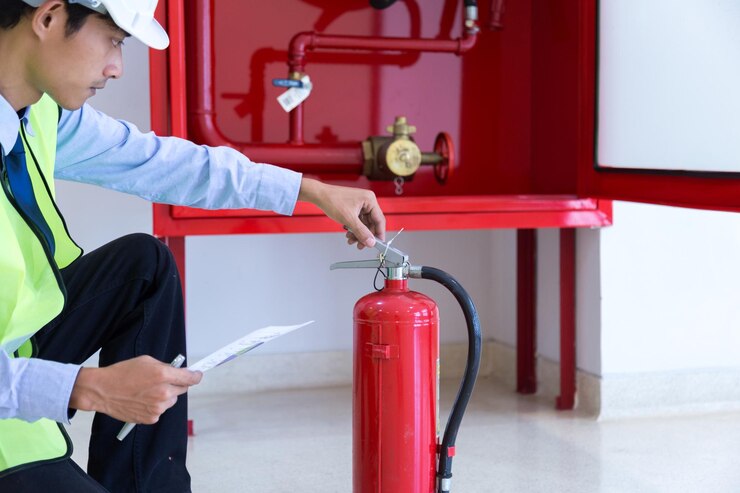
Introduction: Fire safety compliance is not just a regulatory requirement but a critical measure to ensure the well-being of your employees, customers, and property. Whether you’re running a small business or managing a large corporation, understanding fire safety regulations is vital to prevent devastating losses. In this post, we’ll guide you through the essential fire safety compliance requirements, highlight common pitfalls, and provide practical tips for staying compliant.
What is Fire Safety Compliance? Fire safety compliance refers to following the established rules, regulations, and guidelines set by local fire departments, national standards, and industry best practices to minimize the risk of fire in the workplace. These rules may vary by region but generally cover everything from fire risk assessments to the installation of fire suppression systems and emergency evacuation procedures.

Key Fire Safety Compliance Requirements:
Fire Risk Assessment: Conducting regular fire risk assessments is a legal requirement for businesses. This helps identify potential fire hazards, assess the risk, and implement preventative measures.
Fire Safety Equipment Installation: Install and maintain necessary fire safety equipment such as fire alarms, extinguishers, emergency lighting, and sprinklers to ensure rapid response during a fire.
Emergency Evacuation Plans: Develop and regularly update emergency evacuation plans. Ensure employees are aware of evacuation routes and emergency procedures.
Fire Safety Training: Regular fire safety training for employees is crucial. This training should cover fire prevention, safe evacuation practices, and how to use fire safety equipment.
Record-Keeping and Documentation: Maintain accurate records of all fire safety audits, inspections, training sessions, and risk assessments.
Common Pitfalls in Fire Safety Compliance:
Neglecting Regular Inspections: Failing to inspect fire safety equipment regularly can lead to malfunctioning alarms, faulty sprinklers, or empty extinguishers.
Inadequate Training: Insufficient fire safety training can cause panic or confusion in an emergency, risking the safety of employees.
Outdated Fire Safety Plans: Fire safety plans should be updated regularly, especially after any organizational changes or renovations that may affect evacuation routes.
How to Stay Compliant:
Work with Professionals: Consider hiring a fire safety consultant to ensure you’re meeting all regulatory standards.
Stay Up-to-Date with Local Fire Codes: Regularly review and update your knowledge of fire safety regulations, as they can change over time.
Conclusion: Complying with fire safety regulations not only protects your business from potential fines but also ensures the safety of everyone in your workplace. By taking a proactive approach to fire safety compliance, you can minimize the risk of a fire and safeguard your employees, property, and reputation.