


Mitigating Smoke Inhalation Risks: Implementing Effective Smoke Ventilation Systems
Fire and smoke present significant hazards to human life and health. Contrary to common belief, smoke inhalation is responsible for a substantial proportion of fire-related fatalities. For instance, studies have shown that between 60% and 80% of sudden deaths at fire scenes are due to smoke inhalation. Additionally, smoke inhalation alone accounts for 35% of residential fire fatalities. Beyond the immediate health risks, smoke can also cause extensive property damage.
Implementing effective smoke and heat ventilation systems is crucial in mitigating these dangers. Smoke extraction windows, also known as Smoke and Heat Exhaust Ventilation (SHEV) systems, are designed to rapidly and effectively remove toxic smoke gases during a fire, thereby protecting both the building structure and its occupants. These systems are particularly vital in public utility buildings, such as stairways in apartment complexes and hotels, where maintaining clear escape routes is essential for safe evacuation.
Smoke and Heat Extraction System Installed
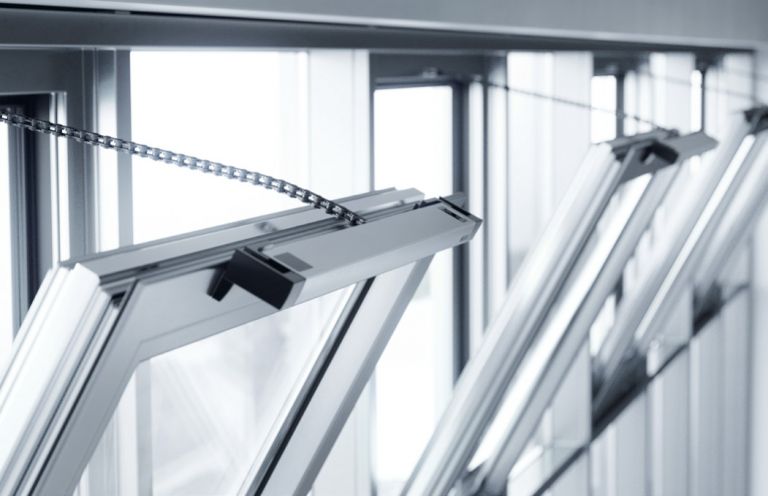
When the FAKRO FSR smoke ventilation window is installed, it allows smoke to exit the building, minimizing the lasting effects of smoke and maintaining the health of occupants.
Absence of Smoke and Heat Extraction System
Without the FAKRO FSR system, smoke accumulates within the available space, leading to property damage and placing occupants at severe risk.
System Operation
The FAKRO FSR system enables both automatic and manual opening of the smoke ventilation window to extract excessive heat, smoke, and toxic gases released during a fire. This functionality ensures that escape routes remain free of smoke, facilitating easier evacuation, helping to localize the fire source, and allowing for faster extinguishing.
Upon detecting fire, a sensor sends a signal to the control unit, which automatically activates electric motors to open the window. If the fire is noticed before the sensor reacts, the smoke ventilation window can be opened manually by pressing the RT 45 fire alarm button.
Additional Features
The system also allows for daily room ventilation using the LT 84U ventilation switch. After the programmed ventilation time elapses, the window closes automatically. Additionally, a ZRD rain sensor can be connected to the system, which automatically shuts the window in case of rain. In the event of a fire, signals from the rain sensor do not interfere with window operation.