
Understanding UK Emergency Lighting Regulations: A Guide for Businesses in 2024 and Beyond
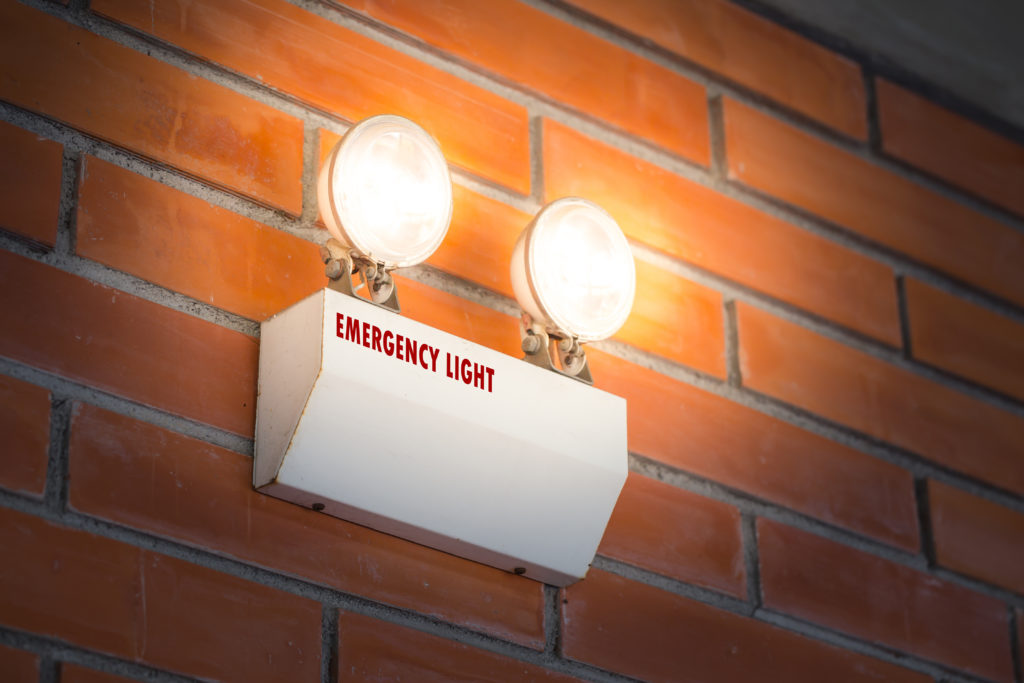
Emergency lighting activates automatically during mains power failures, ensuring the safety of building occupants by illuminating escape routes and essential areas. In the UK, the Regulatory Reform (Fire Safety) Order 2005 mandates that businesses install adequate emergency lighting to facilitate safe evacuation during emergencies.
The British Standard BS EN 1838 specifies the luminous requirements for emergency escape lighting and standby lighting systems in buildings. This standard outlines the necessary illumination levels and durations to ensure visibility and safe egress during power outages or emergencies
Purpose of Emergency Lighting
Emergency lighting serves to illuminate areas leading occupants to the nearest fire exits during mains power failures. It ensures that all individuals can safely navigate to exits, and it aids emergency responders in accessing the building if necessary. Typically, these lights should remain operational for a duration between one and three hours, depending on specific building requirements.
Types of Emergency Lighting
There are four primary types of emergency lighting:
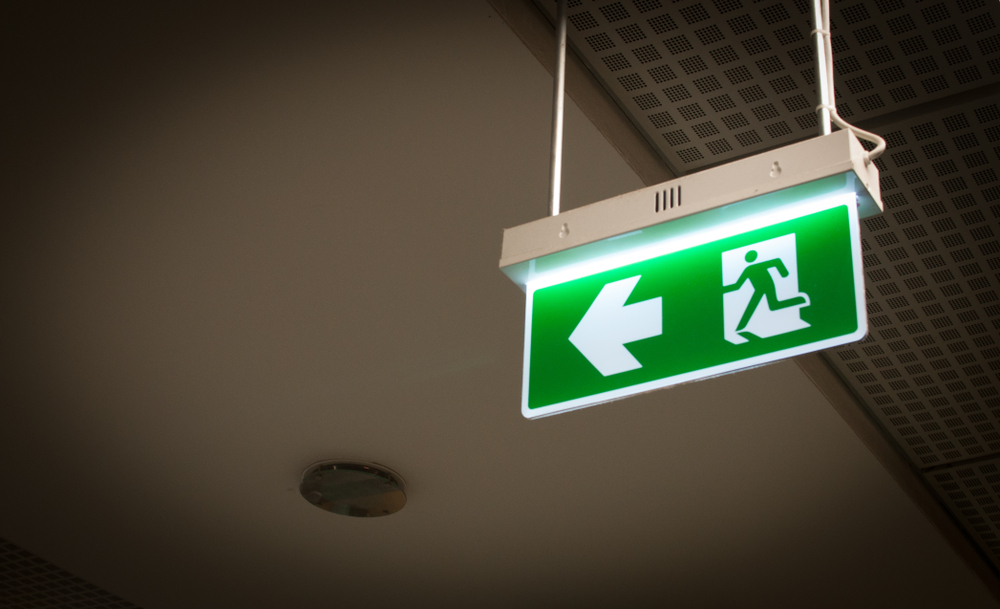
Escape Route Lighting: Illuminates pathways to fire escapes and emergency exits, helping occupants avoid obstacles as they evacuate the building.
Open Area (Anti-Panic) Lighting: Installed in open spaces to assist occupants in locating escape routes, reducing panic, and ensuring safe evacuation.
High-Risk Task Area Lighting: Provides sufficient illumination for high-risk tasks, allowing workers to safely shut down equipment or machinery before evacuating.
Standby Lighting: Activates during power outages to maintain normal operations. While beneficial, it is not a legal requirement like the other types of emergency lighting.
Regulatory Compliance
In the UK, the Regulatory Reform (Fire Safety) Order 2005 mandates the installation of emergency lighting in business premises to ensure occupant safety during emergencies. Additionally, the British Standard BS EN 1838:2024 specifies the luminous requirements for emergency escape lighting and standby lighting, detailing the necessary illumination levels and durations to facilitate safe evacuation during power failures.
Key Considerations for Compliance
Illumination Duration: Emergency lights must remain lit for a minimum of three hours in premises where immediate evacuation is not possible, such as hotels, apartment blocks, and healthcare facilities.
Illumination Levels: Escape routes should have a minimum illumination of 1 lux, while open areas require at least 0.5 lux at floor level. High-risk task areas necessitate lighting that maintains at least 10% of normal levels.
Regular Testing and Maintenance: Routine testing and maintenance of emergency lighting systems are legal obligations to ensure functionality during emergencies. Detailed records of all testing and maintenance activities should be maintained as evidence of compliance.